


-

Add: HeBei ShengShi HongBang Cellulose Technology CO.,LTD.
-

Email
13180486930@163.com -

CONTACT US
+86 13180486930

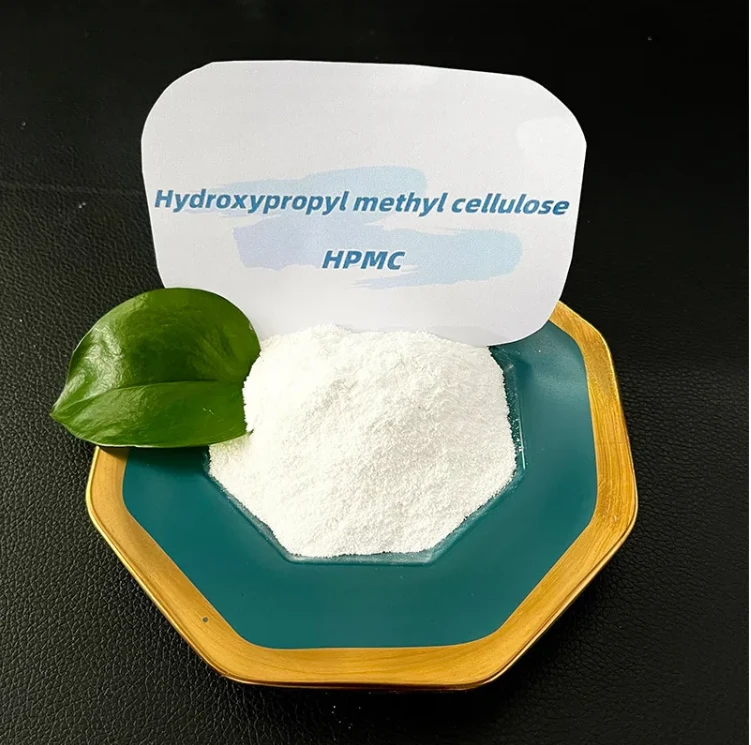
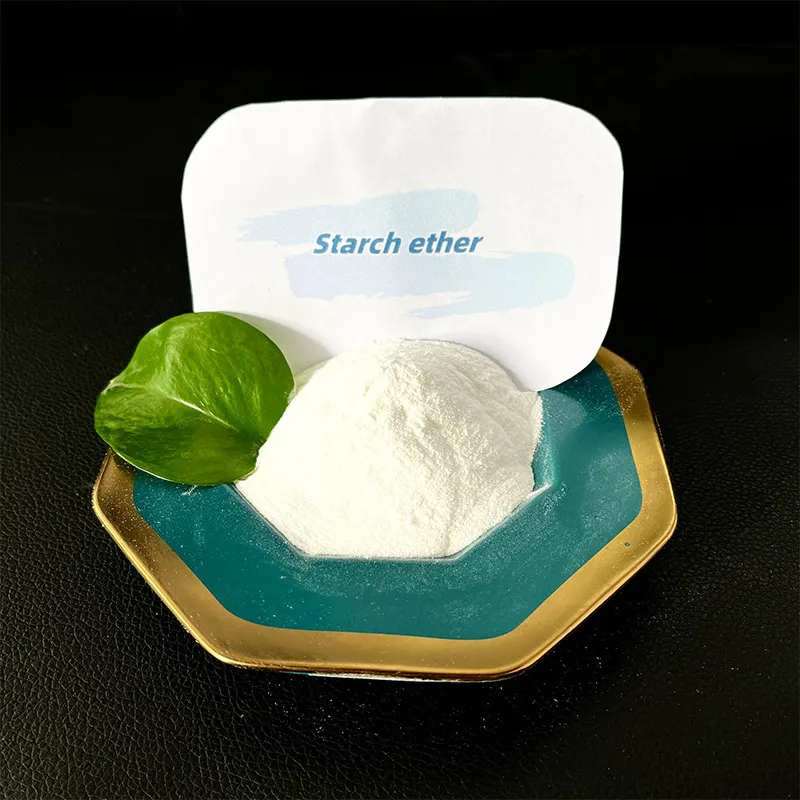
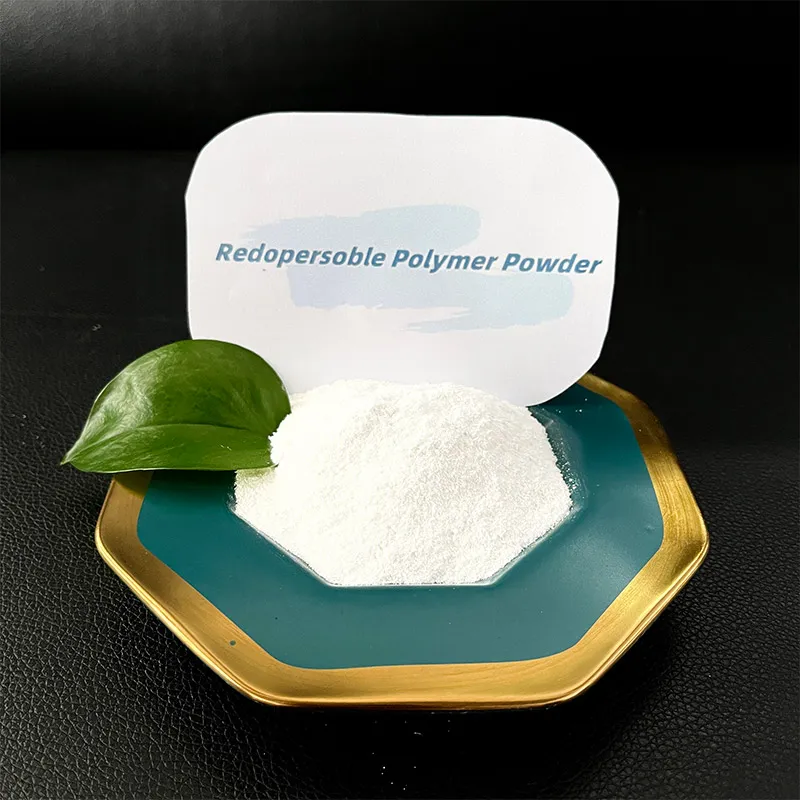

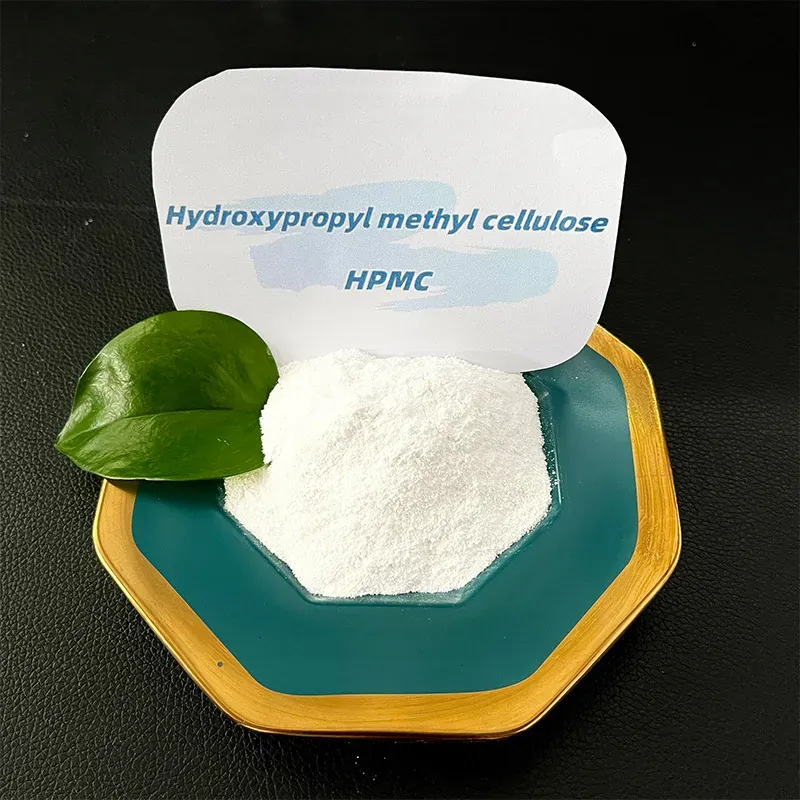


Rubber anti-tack powder plays a critical role in the rubber manufacturing industry . Its application ensures that rubber components do not stick together during processing, thereby enhancing production efficiency and product quality. After years of working directly with industrial manufacturers and conducting thorough research, I’ve gained substantial insights into how to optimize the use of rubber anti-tack powder, making this information highly authoritative for businesses seeking reliable solutions in their manufacturing processes. Rubber components inherently exhibit tackiness due to the presence of polyisobutylene and other polymers. Tackiness presents a challenge in production environments where rubber sheets or molded items need to be separated smoothly. The use of anti-tack powdered agents offers a pragmatic and highly efficient solution to this problem. My expertise underscores that choosing the right anti-tack powder is not just about preventing adhesion but also about enhancing the overall efficiency and sustainability of the manufacturing process. To achieve optimal results with rubber anti-tack powder, it's crucial to consider the specific properties of the rubber material in use as well as the conditions of the manufacturing environment. Different powders have varying levels of compatibility with different rubber compounds, which can directly impact product performance and integrity. In our extensive experience, talc-based powders have shown excellent results in most general-purpose applications due to their fine particle size and thermal stability. However, silica and calcium carbonate-based powders also offer significant advantages, especially in high-temperature applications. Adopting the appropriate application techniques is another cornerstone of maximizing the benefits of anti-tack powders. Automated powder coating systems can provide uniform application, reducing waste and ensuring even distribution, which manual application methods often fail to achieve. Proper application not only enhances the efficiency of the separation process but also minimizes potential inconsistencies in the end product quality. Moreover, integrating rubber anti-tack agents into your production line makes a notable difference in operational throughput. By preventing the adhesion of raw rubber sheets, production downtime is minimized, leading to consistent output levels. This is particularly beneficial in large-scale operations where prolonged sticking can impede production flow and affect overall profitability. rubber anti tack powder From an environmental perspective, the right selection of rubber anti-tack powder aligns with sustainability goals. Many modern anti-tack agents are formulated to be eco-friendly, reducing the environmental impact of manufacturing waste. When consulting with suppliers, prioritize products that are biodegradable or made from natural sources to fulfill corporate social responsibility objectives without compromising performance. Trustworthiness and reliability of suppliers are also key as these determine the quality and effectiveness of anti-tack powders. Establishing partnerships with reputable suppliers ensures a consistent supply of high-grade products capable of meeting the rigorous demands of industrial production processes. It's essential to scrutinize supplier certifications, quality assurance protocols, and client testimonials to validate credibility and performance standards. The seal of expertise in using rubber anti-tack powders is enhanced by leveraging research and development within your operations. Encouraging a culture of continuous improvement allows manufacturers to stay abreast of technological advancements and innovative solutions that can revolutionize the use of anti-tack agents. Participating in industry forums, workshops, and webinars can provide valuable insights and facilitate knowledge-sharing among peers. In conclusion, the strategic application of rubber anti-tack powder is a sophisticated process that requires a comprehensive understanding of material compatibility, precise application techniques, and industry trends. Equipped with the right insights and expertise, manufacturers can significantly enhance their production capabilities and product calibre, thereby securing a competitive edge in the marketplace.
- 40000tons

Production
- 20+years

Experience
- 5000+㎡

Acreage

-
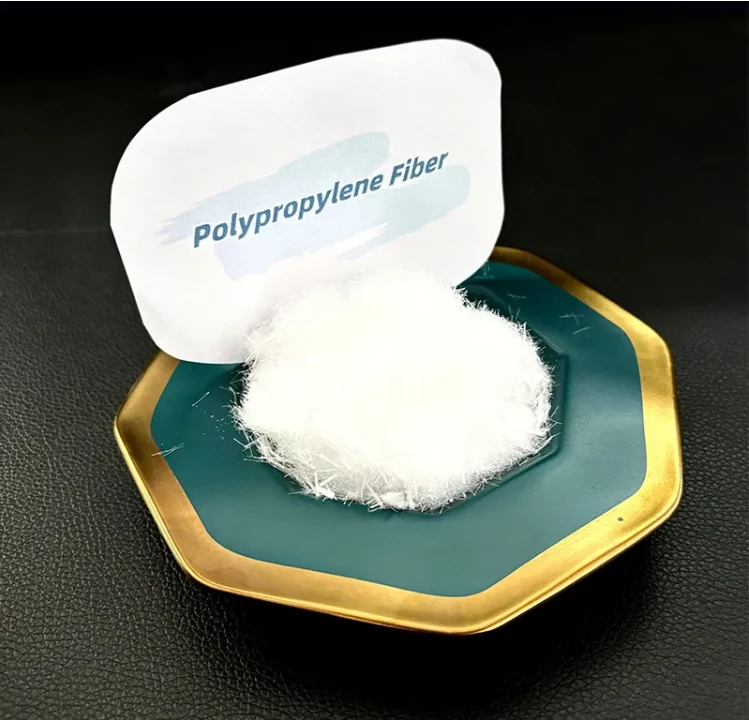
The Emergence of Wood Pulp Fiber A Sustainable Alternative In recent years, the pursuit of sustainable materials has gained significant momentum, leading to innovative solutions in various industries, from textiles to construction. One such innovation is wood pulp fiber, a versatile material derived from the decomposition of wood into its fibrous components. As societies become increasingly aware of the environmental impacts of conventional materials, wood pulp fiber stands out as an eco-friendly alternative that offers numerous benefits. Understanding Wood Pulp Fiber Wood pulp fiber is primarily extracted through the pulping process, where wood logs are processed to separate cellulose fibers from lignin and hemicellulose. This process creates a raw material that can be transformed into a range of products, including paper, textiles, and biodegradable plastics. The most common types of wood used for pulp are softwoods such as pine and fir, which are favored for their long cellulose fibers that contribute to strength and flexibility. Environmental Benefits One of the most compelling advantages of wood pulp fiber is its sustainability. As it originates from trees, a renewable resource, the lifecycle of wood pulp products can be much shorter compared to synthetic fibers like polyester, which are derived from petroleum. Furthermore, responsibly sourced wood pulp contributes to forest health by promoting sustainable forestry practices that ensure trees are replanted, preserving biodiversity, and maintaining carbon sequestration. The Emergence of Wood Pulp Fiber A Sustainable Alternative Versatility Across Industries fibra hecha de pulpa de madera The versatility of wood pulp fiber makes it an attractive alternative for various applications. In the textile industry, wood pulp can be converted into lyocell or modal fabrics, which are not only soft and breathable but also produced in a closed-loop process that significantly reduces water pollution compared to conventional cotton production. These fabrics are gaining popularity in fashion due to their comfort, environmental credentials, and stylish finish. In the packaging sector, wood pulp fiber is paving the way for biodegradable packaging solutions. As consumers demand more sustainable packaging options, wood pulp provides a solution that can help reduce the environmental footprint of e-commerce, food delivery, and retail packaging. Challenges and Future Outlook Despite its numerous advantages, the adoption of wood pulp fiber is not without challenges. The availability of sustainably sourced wood can sometimes limit production, and the technology for processing wood into fiber continues to evolve. However, as awareness and demand for sustainable materials rise, investment in research and development is likely to accelerate, opening new avenues for efficient production methods and innovative uses for wood pulp fiber. Moreover, as regulatory frameworks continue to support sustainable practices and combat climate change, wood pulp fiber stands on the brink of becoming a mainstream material in various industries. Companies are recognizing the importance of aligning their supply chains with sustainability goals, making wood pulp fiber an attractive option that meets consumer demand for eco-friendly products. Conclusion Wood pulp fiber represents a promising shift towards sustainability, offering an environmentally friendly alternative to traditional materials across diverse industries. Its biodegradable nature, coupled with the potential for sustainable production, positions it as a key player in the movement towards a greener future. As both consumers and manufacturers increasingly prioritize sustainability, wood pulp fiber could very well become a staple in our daily lives, supporting a healthier planet for generations to come.
-

In the world of industrial applications, particularly in the realm of pharmaceuticals and construction, two polymers often come to the forefront Hydroxyethyl Cellulose (HEC) and Hydroxypropyl Methylcellulose (HPMC). Both are cellulose derivatives, but their distinct properties and applications make choosing between them a critical decision based on specific project requirements. HEC is favored in scenarios where high levels of water retention and thickening are paramount . This makes it ideal for use in paint formulations, where it acts as a rheology modifier, ensuring a smooth application and consistent pigment distribution. Moreover, in the construction industry, HEC finds its role in tile adhesives and cement-based mortars, enhancing workability and open time. Its water-retentive abilities allow for extended working times and prevent rapid drying, which is crucial for optimum setting and bonding. In contrast, HPMC is often chosen for its superior film-forming capabilities and its ability to withstand higher temperatures, making it indispensable in the pharmaceutical industry. Used as a binder and controlled-release agent in tablet formulations, HPMC ensures the stability and efficacy of medications over time. Additionally, in building and construction applications, HPMC's robust adhesive properties and resistance to environmental conditions make it an excellent choice for rendering and plastering tasks. A deep dive into the synthesis of these polymers reveals that HEC is derived by reacting ethylene oxide with alkali cellulose, while HPMC is produced by the reaction of alkali cellulose with propylene oxide and methyl chloride. These reactions imbue each polymer with its unique characteristics, influencing their solubility, viscosity, and thermal stability. For example, HEC dissolves readily in water, forming clear solutions, whereas HPMC requires a more gradual introduction to water, with full hydration enhancing its thickening efficiency. hec vs hpmc From an expert perspective, the choice between HEC and HPMC should be guided by the specific conditions of use. In a project with fluctuating temperatures or one requiring a protective film, HPMC's thermal resilience is unmatched. On the other hand, when dealing with formulations where prolonged moisture retention is critical, as seen in certain adhesive applications, HEC stands out with its exceptional hydrophilicity. Authoritative studies have supported the use of HPMC in pharmaceutical coatings where consistency and reliability are non-negotiable due to its non-toxic nature and FDA approval for direct contact with food and drugs. Similarly, trust in HEC is evident in its long-standing use in latex paint systems, where its compatibility and stability ensure a prolonged shelf-life and superior application properties. Ultimately, the decision between HEC and HPMC hinges on a nuanced understanding of the end-use environment and desired performance outcomes. Leveraging the profound expertise inherent in these materials allows industry professionals to make informed, authoritative choices, enhancing both the quality and efficiency of their products.
advantages
-

200000 Viscosities
Excellent product
We can produce pure products up to 200,000 viscosities
-

40000 tons
High yield
We don’t stop production all year round, and the annual output can reach 40,000 tons
-

24 hours
Quality service
We provide 24-hours online reception service, welcome to consult at any time
———— Inquiry Form
Schedule A services
-
 poudre_d_hydroxypropylmethylcellulose
Oct . 25, 2025
About the Author Dr. Emily Chen , PhD in Material Science with 15 years of experience in cellulose t -
 starch_ether_hps_for_wall_putty_powder
Oct . 25, 2025
Hydroxypropyl Methylcellulose (HPMC) has been transforming the construction industry with its versat -
 how_to_extract_cellulose_from_wood
Oct . 25, 2025
Hydroxypropyl Methylcellulose (HPMC) E5 is a versatile and essential ingredient in various industrie


